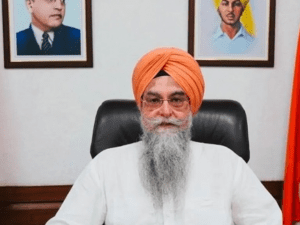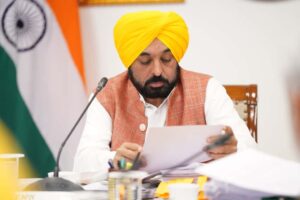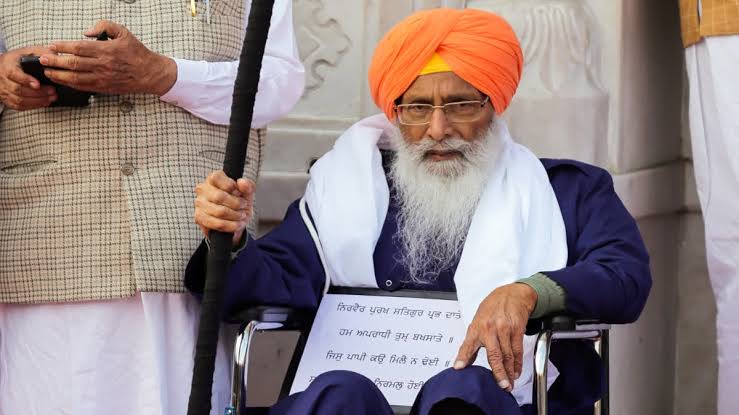
The passing of Sukhdev Singh Dhindsa marks the end of a significant chapter in Punjab’s political history. A senior leader with deep roots in the Shiromani Akali Dal (SAD), Dhindsa was known for his strong political presence, independent thinking, and long-standing rivalry with the Badal family.
Dhindsa’s political journey began from humble beginnings—as a village sarpanch—and quickly grew into a notable career. He was elected as an MLA from Dhanaula in 1972 and steadily rose through the ranks of SAD. Over the years, he held many important positions, including Union Minister of Sports, Chemicals, and Fertilizers in the Vajpayee-led government, and also served as a Rajya Sabha MP.
His relationship with Parkash Singh Badal, the tallest Akali leader, was described as both close and complicated. While they were allies for decades, Dhindsa also harboured ambitions of leading the SAD himself. He served as the party’s secretary general and played a key role in shaping many of its policies. However, his desire to take over leadership often clashed with Badal’s dominance, especially as Sukhbir Singh Badal, Parkash Badal’s son, started rising within the party.
Dhindsa’s differences with Sukhbir came into the spotlight after SAD’s poor performance in the 2017 Punjab Assembly elections. By 2018, he resigned from all party positions and was later expelled from SAD. Not one to give up, Dhindsa went on to launch his own political outfits—Shiromani Akali Dal (Democrat) and later Shiromani Akali Dal (Sanyukt)—along with fellow senior leader Ranjit Singh Brahmpura.
These parties aimed to revive the core values of the original Akali Dal and challenge the current leadership. Although they couldn’t make a big impact in elections, Dhindsa remained a vocal figure, especially on issues like the farmers’ protest, where he returned his Padma Bhushan in solidarity.
Throughout his life, Dhindsa tried to build an independent identity in Akali politics, but remained in the shadow of Parkash Singh Badal. Even so, he stood out for his principled stands and political consistency. Towards the end, he focused on creating a future for his son, Parminder Dhindsa, hoping he wouldn’t end up being a second-in-command like him.
Historian Jagtar Singh summed it up best: “Dhindsa was a loyal number two. When Badal was isolated in 1989, only Dhindsa and Bhunder stayed with him. But later, Dhindsa wanted more—for himself and his son. He took risks, even if they didn’t always succeed.”
With Dhindsa’s death, Punjab politics loses a sharp thinker, a strong challenger, and a leader who believed in doing what he thought was right—even if it meant walking alone.