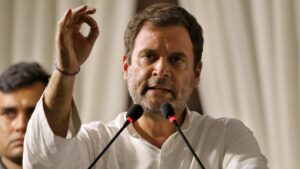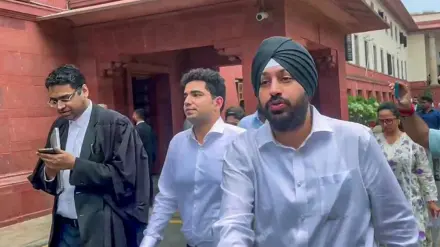
The Supreme Court on Tuesday heard a case involving five social media influencers, including comedian and ਭਾਰਤ’s Got Latent host Samay Raina, for allegedly mocking individuals with disabilities, including those suffering from spinal muscular atrophy (SMA) and blindness.
A Bench led by Justice Surya Kant directed all five influencers to file their responses within two weeks to a petition seeking action against them. The other four named in the case are Vipul Goyal, Balraj Paramjeet Singh Ghai, Sonali Thakkar (also known as Sonali Aditya Desai), and Nishant Jagdish Tanwar. The court has ordered them to be present in-person for the next hearing, except Sonali Thakkar, who was allowed to appear virtually due to a physical condition. However, the court warned that any absence in the next hearing would be taken seriously.
The case stems from a plea alleging that the influencers made offensive remarks about ਲੋਕ with disabilities during an online show. The court had earlier termed their conduct as “damaging” and “demoralising,” stressing the need for both remedial and punitive action to prevent similar incidents in the future.
The Bench also addressed a larger concern — the regulation of content on social media. It asked Attorney General R. Venkataramani to assist in preparing social media guidelines that carefully balance the right to free speech with the rights and dignity of others. Justice Kant noted that while Article 19 of the Constitution ensures freedom of speech, it cannot override Article 21, which guarantees the right to life and dignity.
The court emphasized that enforceability of such guidelines would be the most challenging aspect but necessary to avoid the misuse of online platforms. It invited input from all stakeholders, including members of the legal community and civil society, to ensure any guidelines formed would uphold constitutional principles and protect vulnerable communities.
The court reiterated that no one has the right to demean others under the cover of free speech, especially when it concerns individuals with disabilities or rare health conditions. The case is expected to continue in the coming weeks, with the influencers’ responses and the Centre’s draft guidelines likely to shape further debate on responsible digital conduct in ਭਾਰਤ.