Reason behind diwali celebration in ਭਾਰਤ.
The celebration of Diwali has many spiritual and historical connotations, with tales and interpretations that vary among Indian religions and geographical areas. The triumph of light over darkness, wisdom over ignorance, and good over evil is the main subject.
Among the main justifications for the celebration are
Among the main justifications for the celebration are
In Hinduism
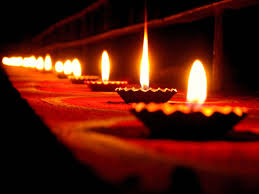
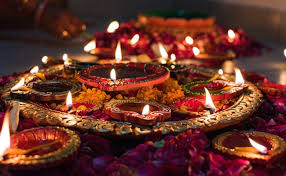
- Lord Rama’s return to his kingdom of Ayodhya following a 14-year exile is the most well-known tale connected to Diwali. The ਲੋਕ of Ayodhya lit rows of earthen lights, or diyas, to light his way in the dark as a celebration of his return after he vanquished the demon king Ravana.
- Goddess Lakshmi: The festival honors the goddess of wealth and prosperity, Lakshmi. She is said to have emerged from the sea on this day during the Samudra Manthan, which is the churning of the cosmic ocean. It is also stated that she picked Lord Vishnu to be her consort on the night of Diwali.
- Diwali is observed in several parts of the world to honour Lord Krishna’s conquest of the demon king Narakasura, who had imprisoned 16,000 women. The day before Diwali, ਲੋਕ celebrate the victory of Krishna and the consequent deliverance of the captives.
- The Pandavas’ Return: According to the epic Mahabharata, the Pandavas returned to their kingdom of Indraprastha after 12 years of exile on the day of Diwali. Their subjects celebrated their return with great joy.
- Coronation of King Vikramaditya: The coronation of the legendary King Vikramaditya, a renowned monarch known for his wisdom, is believed to have taken place on Diwali in 56 BCE.
In Jainism
- Mahavira’s Enlightenment: Vardhamana Mahavira, the 24th and final Tirthankara of contemporary Jainism, achieved moksha (freedom or enlightenment) on Diwali, according to Jains.
In Sikhism
- Bandi Chhor Divas: “Day of Liberation,” or Bandi Chhor Divas, is how Sikhs celebrate Diwali. It commemorates the day in 1619 when the Mughal Emperor Jahangir freed the sixth Sikh Guru, Guru Hargobind Ji, from captivity. 52 Hindu monarchs who were also imprisoned were liberated thanks to the Guru’s assistance.
- Laying the Foundation of the Golden Temple: General symbolism On Diwali in 1577, the Golden Temple in Amritsar also had its foundation stone set.
- Spiritual and Scientific Aspects: Beyond religious narratives, some believe that lighting lamps during the October/November season helps kill bacteria and germs that thrive in the changing weather. Cleaning homes is seen as a way to prepare for the winter and start the new year with a fresh, clean slate.
- New Beginnings: For many, Diwali also marks the start of the Hindu New Year. It is a time for paying off old debts and beginning new business ledgers.