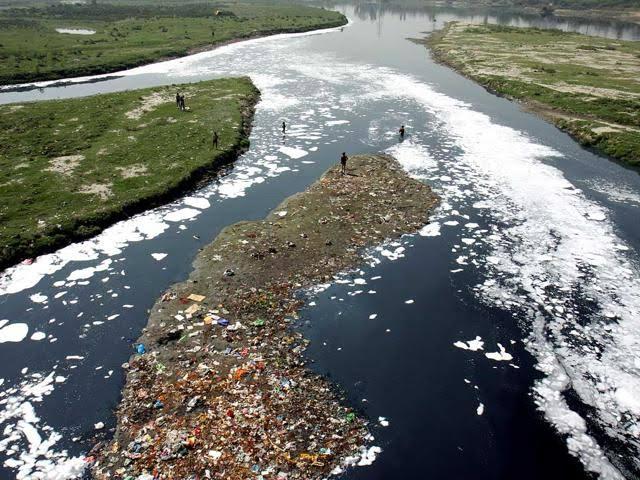
he final hearing on the future of dyeing units in Ludhiana will be held by the National Green Tribunal (NGT) on July 22, a crucial date that could decide whether Common Effluent Treatment Plants (CETPs) are allowed to continue discharging treated waste into the Buddha Nullah or be shut down completely.
In a late but significant move, the ਪੰਜਾਬ Science, Technology and Environment Department has formed a 12-member high-level committee to prepare a long-term plan for cleaning and rejuvenating the Buddha Dariya. The committee is chaired by the ਪੰਜਾਬ Industries and Commerce ਮੰਤਰੀ and includes the ਮੁੱਖ Secretary, senior administrative officials from various departments, experts from IIT Ropar, and a retired ਮੁੱਖ Engineer from the ਪੰਜਾਬ Water Supply and Sewerage Board. The committee will meet monthly or as required to monitor key infrastructure projects, including CBG plants and STP/CETP installations.
An official from the department, speaking anonymously, revealed that for several months, the state ਸਰਕਾਰ ignored the matter, despite a petition from the Public Action Committee (PAC) before the NGT. The PAC had argued that the CETPs were not meeting pollution control norms and should not be permitted to release waste into the dariya. The official added that only with the NGT’s final hearing approaching has the state acted by forming the committee.
Ashok Makkar, Chairman of the ਪੰਜਾਬ Dyers Association, said a delegation recently met Industries ਮੰਤਰੀ Sanjeev Arora to explain that the ਸਰਕਾਰ had failed to deliver on its 2015-16 promise of providing treated water from CETPs for agricultural use. This failure prompted the PAC to approach the NGT against the dyeing units.
Bobby Jindal, also from the association, stated that the ਸਰਕਾਰ had been asked to build a dedicated channel or pipeline along the nullah to carry treated water from the three CETPs and two STPs, according to a plan by the Irrigation/Drainage Department costing approximately Rs 36 crore. He warned that without this pipeline system, the dyeing industry in Ludhiana could face closure, placing hundreds of businesses and jobs at risk.
With the NGT’s decision just days away, the spotlight is now on both the state ਸਰਕਾਰ and pollution control bodies to show whether they can deliver a sustainable solution—or face the consequences of long-standing inaction.