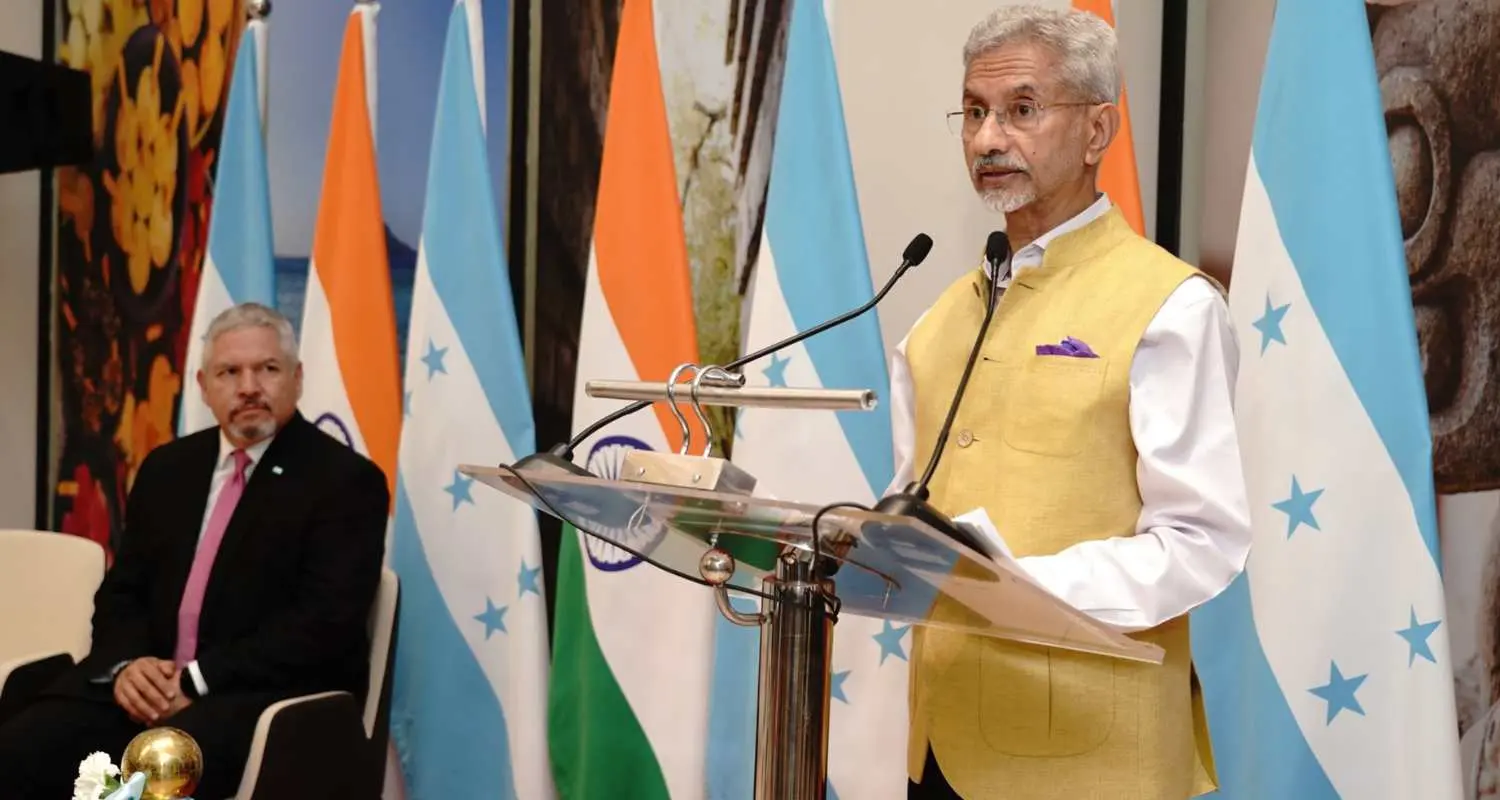
External Affairs ਮੰਤਰੀ S. Jaishankar on Thursday made it clear that the Indus Waters Treaty (IWT) with Pakistan will remain suspended until Islamabad permanently stops cross-border terrorism. He also called on Pakistan to hand over wanted terrorists and vacate the illegally occupied territories in Jammu and Kashmir.
His statement came in response to a letter from Pakistan’s Ministry of Water Resources, seeking to reopen talks on the IWT, which ਭਾਰਤ had put on hold on April 24 — two days after a terrorist attack in Pahalgam that killed 25 tourists and a local.
Speaking to the media, Jaishankar said, “The Indus Waters Treaty is held in abeyance and will continue to remain so until Pakistan credibly and irrevocably stops cross-border terrorism.”
Sources revealed that ਭਾਰਤ has no immediate plans to respond to Pakistan’s request for talks. Over the past three years, ਭਾਰਤ has raised multiple concerns over water-sharing under the treaty but received no response from Pakistan. Since January 2023, ਭਾਰਤ has written four times to propose a renegotiation of the treaty, but Pakistan has not replied.
Under the original IWT, signed in 1960 with World Bank assistance, ਭਾਰਤ has exclusive rights over the waters of the Sutlej, Beas, and Ravi rivers. Pakistan gets the majority share of the Indus, Jhelum, and Chenab rivers. ਭਾਰਤ is allowed limited use of these waters in Jammu & Kashmir and Ladakh for non-storage purposes like power generation and irrigation.
Jaishankar also ruled out broader bilateral talks with Pakistan, saying that discussions can only happen if the focus is on dismantling terror camps and returning Pakistan-occupied Kashmir. Responding to a question about a possible US mediation, he reaffirmed ਭਾਰਤ’s long-standing position: “Our relations and dealings with Pakistan will be strictly bilateral. That’s a national consensus for years and there is no change in that.”
Regarding the current pause in military hostilities following Operation Sindoor, he added it was “clear who wanted the firing to stop,” implying ਭਾਰਤ’s firm stance on national security.