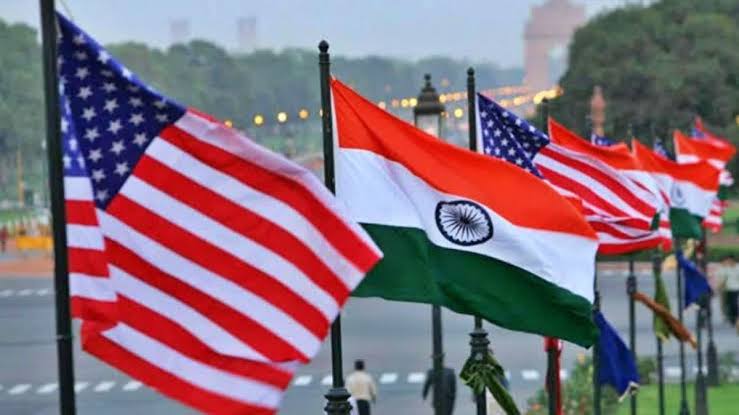
A team from ਭਾਰਤ’s Commerce Ministry is preparing to travel to Washington soon to finalise the details of an interim trade agreement with the United States. The visit aims to resolve remaining differences in key areas, especially tariff negotiations involving sectors like agriculture and dairy.
This development comes after US President Donald Trump extended the deadline for implementing reciprocal tariffs on ਭਾਰਤ from July 9 to August 1. Trump recently stated that a deal with ਭਾਰਤ was “coming soon,” raising expectations on both sides.
During the visit, Indian officials will engage in discussions not only on the interim agreement but also on the first phase of a broader Bilateral Trade Agreement. While the exact dates of the trip are yet to be confirmed, sources say it is likely to take place next week.
ਭਾਰਤ’s ਮੁੱਖ negotiator Rajesh Agrawal had led the previous round of talks in Washington, where significant progress was made in several sectors. However, some complex issues remain unresolved, particularly in the agriculture and auto sectors.
The Indian ਸਰਕਾਰ has been firm in not offering concessions on agriculture and dairy, which are politically sensitive and crucial to the livelihoods of millions of farmers. Officials believe that resolving these concerns will be key to finalising the trade pact.
Commerce and Industry ਮੰਤਰੀ Piyush Goyal recently stated that ਭਾਰਤ does not enter trade agreements based on deadlines. He emphasized that ਭਾਰਤ would only accept the deal if it is thoroughly finalised, fair, and in the national interest. According to him, trade agreements must be mutually beneficial and should serve as a win-win for both nations.
The United States is looking for lower import duties on products such as electric vehicles, industrial goods, wines, petrochemical items, and agricultural goods like dairy, apples, tree nuts, and genetically modified crops. In return, ਭਾਰਤ is seeking tariff relief for its exports in labour-intensive areas including textiles, gems and jewellery, leather goods, garments, plastics, chemicals, shrimp, oil seeds, grapes, and bananas.
The outcome of the upcoming visit will play a crucial role in shaping the future of trade relations between the two countries, especially as both sides look to deepen economic cooperation amid shifting global dynamics.