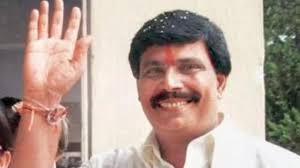
Decapitated the rapist of a Brahmin girl and paraded the head; incited the mob to murder the DM; Anand mohan released after a change in the jail manual.
A mob had assembled in the streets of Bihar’s Muzaffarpur ਜ਼ਿਲ੍ਹਾ on December 4, 1994. The body of Chhotan Shukla, an upper-caste leader, was being carried through the centre of the gathering. The cries were, “We will take revenge.” The leader of this mob, which numbered close to one lakh in the funeral procession, had climbed onto a stage and was yelling through a loudspeaker.
G. Krishnaiah, the DM of Gopalganj, was seated there. On the Muzaffarpur-Vaishali route, the DM’s car attempted to pass the procession while flashing a red beacon light.
The crowd, which was already yelling slogans calling for retribution for the ਮੌਤ of Chhotan Shukla, became even more incensed upon seeing the automobile.
Witnesses in the court case claim that Anand Mohan Singh then urged the mob to stop the car with an angry speech from his stage.
DM G. Krishnaiah was pulled by the mob from his official vehicle, severely beaten with sticks and stones, and lynched to ਮੌਤ.
The murder of the young, honest Dalit IAS officer brought attention to the intersection of politics and crime in Bihar and sent shockwaves throughout the nation.
After being found guilty of aiding and abetting the murder, Anand Mohan received a life sentence. After the Bihar ਸਰਕਾਰ modified their prison handbook, he was later freed in April 2023.
He was raised in a freedom fighter’s home and gained notoriety through the JP movement.
On January 26, 1956, Anand Mohan was born into a Rajput family in the Saharsa ਪਿੰਡ of Panchgachhiya. Ram Bahadur Singh, his grandfather, fought for freedom. As a result, he grew up hearing conversations about politics, social reform, and social issues. At an early age, he began to question authority. Governments at the time were always discussing ways to advance the backward classes. This greatly displeased Anand Mohan.
He began speaking out against the ਸਰਕਾਰ in the JP movement in 1974. Ads like ‘Abdicate the throne, the public is coming…’ brought the nation’s young to the streets behind JP. Among these young ਲੋਕ was 18-year-old Anand Mohan Singh.
The ‘Total Revolution’ (Sampoorna Kranti) of JP became his life’s ambition, and he quit college midway through. His political career began at this point. After serving two years in prison during the Emergency, he later chose socialist leader and freedom fighter Parmeshwar Kumar as his political mentor.
became the Upper Castes’ hero as a result of their resistance to reservations.
Karpoori Thakur established reservations for Bihar’s backward castes in 1978. This infuriated Anand Mohan, who displayed black flags to Morarji Desai, the prime ਮੰਤਰੀ at the time. The backward castes’ farmers and landlords became the targets of other communist groups. Anand Mohan assumed responsibility for safeguarding the higher castes in this setting.
Anand Mohan established the Samajwadi Krantikari Sena (Socialist Revolutionary Army) and started enlisting young ਲੋਕ from the higher castes, according to Rajesh Singh’s book Bahubali of Indian Politics. Anand Mohan’s Private Army was another name for this force.
Anand Mohan tells these young ਲੋਕ, “Due to reservation, a rift is being created in our society, just as the British ਸਰਕਾਰ created a divide between Hindus and Muslims to capture the country, so we must fight against reservation.”
Dispensing ‘justice’ on its own terms, this army began thrashing anybody who spoke out against the higher caste. When residents demanded reservations, army personnel would break into their homes and attack them.
According to senior teacher Kanhaiah, “A ਸਰਕਾਰ teacher in Madhepura once raped his daughter and then fatally stabbed her with a few hooligans.” Since the girl was from a Brahmin background, Anand Singh sided with her.
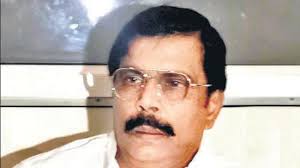
“It is necessary to cut off the head of the person who committed this act,” Anand Mohan declared to his men. In any event, we have to identify them!” The entire ਪਿੰਡ was searched by the Socialist Revolutionary Army. Anand Mohan arrived there with roughly fifty ਲੋਕ after the culprits were apprehended.
After being cornered, the accused were first brutally assaulted, and then their heads were cut off. They didn’t just stop there; they also carried their heads on a sword in a parade around the community. Locals claim that Anand Mohan was yelling, “Everyone must know the fate of those who harass the upper castes!” while brandishing a sword.
Context and Early Political
Headline: He was recognised by the JP movement after being born in the home of a freedom fighter.
On January 26, 1956, Anand Mohan was born into a Rajput family in the Saharsa ਪਿੰਡ of Panchgachhiya. Ram Bahadur Singh, his grandfather, fought for freedom. As a result, he grew up hearing conversations about politics, social reform, and social issues. At an early age, he began to question authority. Governments at the time were always discussing ways to advance the backward classes. This greatly displeased Anand Mohan.
He began speaking out against the ਸਰਕਾਰ in the JP movement in 1974. Ads like ‘Abdicate the throne, the public is coming…’ brought the nation’s young to the streets behind JP. Among these young ਲੋਕ was 18-year-old Anand Mohan Singh.
The ‘Total Revolution’ (Sampoorna Kranti) of JP became his life’s ambition, and he quit college midway through. His political career began at this point. After serving two years in prison during the Emergency, he later chose socialist leader and freedom fighter Parmeshwar Kumar as his political mentor.
He was raised in a freedom fighter’s home and gained notoriety through the JP movement.
On January 26, 1956, Anand Mohan was born into a Rajput family in the Saharsa ਪਿੰਡ of Panchgachhiya. Ram Bahadur Singh, his grandfather, fought for freedom. As a result, he grew up hearing conversations about politics, social reform, and social issues. At an early age, he began to question authority. Governments at the time were always discussing ways to advance the backward classes. This greatly displeased Anand Mohan.
He began speaking out against the ਸਰਕਾਰ in the JP movement in 1974. Ads like ‘Abdicate the throne, the public is coming…’ brought the nation’s young to the streets behind JP. Among these young ਲੋਕ was 18-year-old Anand Mohan Singh.
The ‘Total Revolution’ (Sampoorna Kranti) of JP became his life’s ambition, and he quit college midway through. His political career began at this point. After serving two years in prison during the Emergency, he later chose socialist leader and freedom fighter Parmeshwar Kumar as his political mentor. became the Upper Castes’ hero as a result of their resistance to reservations.
Karpoori Thakur established reservations for Bihar’s backward castes in 1978. This infuriated Anand Mohan, who displayed black flags to Morarji Desai, the prime ਮੰਤਰੀ at the time. The backward castes’ farmers and landlords became the targets of other communist groups. Anand Mohan assumed responsibility for safeguarding the higher castes in this setting.
Formation of Private Army and Retribution.
Anand Mohan established the Samajwadi Krantikari Sena (Socialist Revolutionary Army) and started enlisting young ਲੋਕ from the higher castes, according to Rajesh Singh’s book Bahubali of Indian Politics. Anand Mohan’s Private Army was another name for this force.
Anand Mohan tells these young ਲੋਕ, “Due to reservation, a rift is being created in our society, just as the British ਸਰਕਾਰ created a divide between Hindus and Muslims to capture the country, so we must fight against reservation.”
Dispensing ‘justice’ on its own terms, this army began thrashing anybody who spoke out against the higher caste. When residents demanded reservations, army personnel would break into their homes and attack them.
According to senior teacher Kanhaiah, “A ਸਰਕਾਰ teacher in Madhepura once raped his daughter and then fatally stabbed her with a few hooligans.” Since the girl was from a Brahmin background, Anand Singh sided with her.
“It is necessary to cut off the head of the person who committed this act,” Anand Mohan declared to his men. In any event, we have to identify them!” The entire ਪਿੰਡ was searched by the Socialist Revolutionary Army. Anand Mohan arrived there with roughly fifty ਲੋਕ after the culprits were apprehended. After being cornered, the accused were first brutally assaulted, and then their heads were cut off. They didn’t just stop there; they also carried their heads on a sword in a parade around the community. Locals claim that Anand Mohan was yelling, “Everyone must know the fate of those who harass the upper castes!” while brandishing a sword.
Jail Release and Self-Image
In 2023, this statute was revised on April 10. Only the section regarding the killing of a ਸਰਕਾਰ official while on duty was taken out of the manual by the Nitish ਸਰਕਾਰ. This made it possible for Anand Mohan Singh to be released from prison. Anand Mohan was finally let out of jail on April 27.
Anand Mohan sees himself as a pen soldier.
“ਲੋਕ say that I use violence, that I use muscle power, but that is not true,” Anand Mohan stated in an interview. The pen has always been my weapon. ‘Kranti Doot’ (Messenger of Revolution) was the publication I edited when I was seventeen years old.
The book ‘Qaid Mein Azaad Kadam’ (Free Steps in Captivity) was written by Anand Mohan while he was incarcerated. The Parliament library is now home to this book.
In addition, Anand Mohan penned a little narrative about Dashrath Manjhi’s life. This short narrative has reportedly been included in the eighth-grade curriculum by the CBSE board.
Anand Mohan cannot run for office, but he recently stated at a social gathering that “Bhura Baal” (Brown Hair, a phrase frequently used to refer to the upper castes and Yadavs) will decide who will hold the seat of power in Bihar. Jeetan Ram Manjhi is currently fighting with someone, Lalu is currently fighting with someone, and Chirag Paswan is currently fighting with someone. Those who possess ‘Bhura Baal’ will ultimately decide the matter.