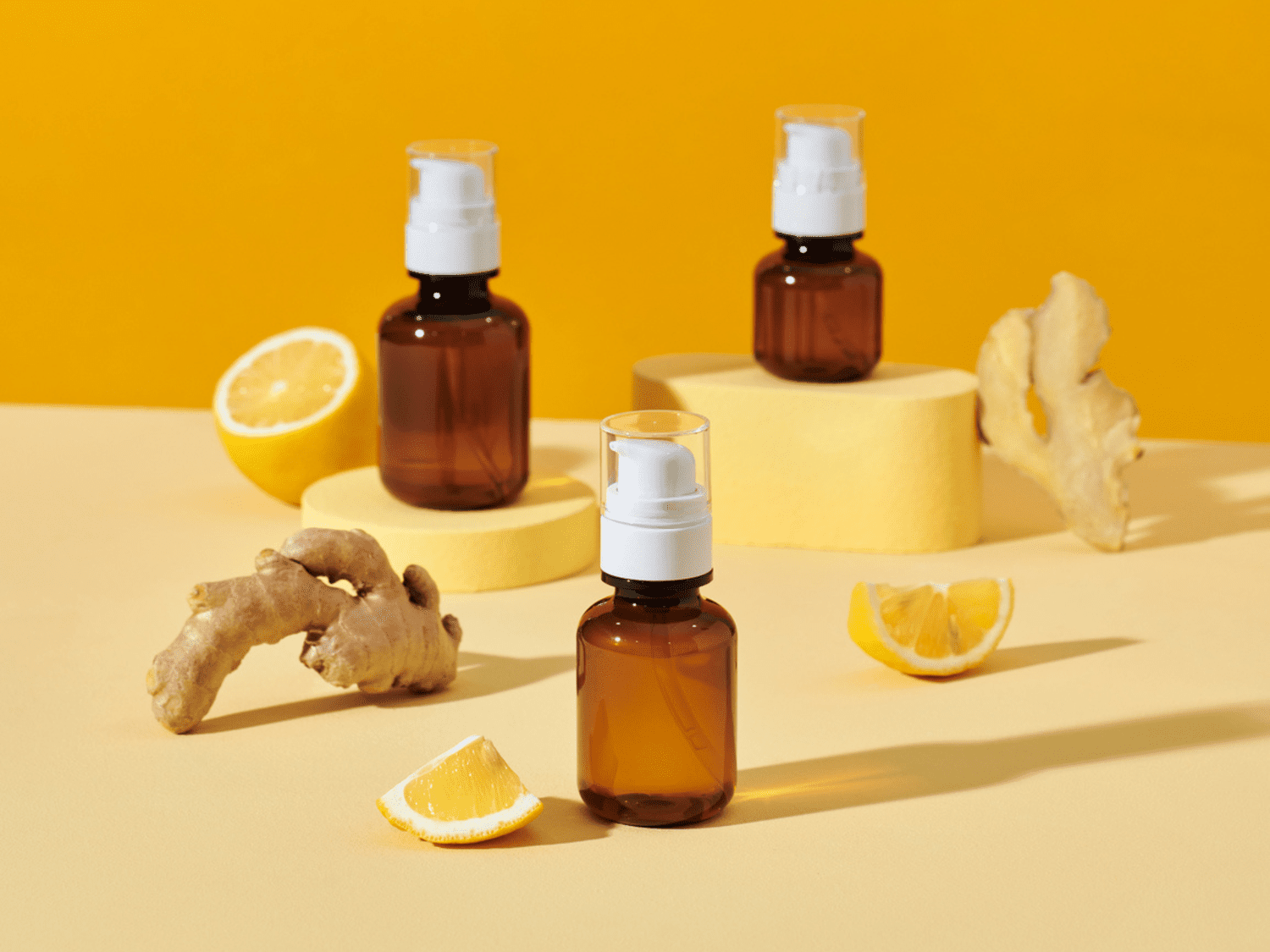
In recent months, social media platforms like Instagram have been buzzing with claims that rubbing raw ginger on the skin can effectively cure acne. This has sparked curiosity among many who are looking for natural remedies to combat breakouts. But do dermatologists support this claim? Let’s delve into the science behind ginger and its potential effects on acne.
The Anti-Inflammatory Properties of Ginger
Ginger (Zingiber officinale) is a well-known spice with a long history of use in traditional medicine. It is praised for its anti-inflammatory and antioxidant properties, which are attributed to its active compounds, particularly gingerol and shogaol. These properties suggest that ginger may help reduce inflammation, which is a key factor in acne formation.
How Acne Develops
Acne occurs when hair follicles become clogged with oil (sebum), dead skin cells, and bacteria. This process can lead to inflammation and the formation of pimples, cysts, and other types of lesions. Treatments typically focus on reducing oil production, unclogging pores, and fighting bacteria.
What Dermatologists Say
While ginger may have some beneficial properties, dermatologists generally advise caution when it comes to using it as a standalone treatment for acne. Here are a few points they make:
-
Limited Evidence: There is currently limited scientific research directly supporting the effectiveness of ginger for treating acne. Most evidence is anecdotal and lacks the rigorous testing necessary to validate its efficacy.
-
Potential Irritation: Rubbing raw ginger on the skin may cause irritation or allergic reactions, especially for individuals with sensitive skin. The spice is potent, and applying it directly could lead to redness, itching, or even burns in some cases.
-
Better Alternatives: Dermatologists often recommend proven acne treatments that are backed by research, such as topical retinoids, benzoyl peroxide, salicylic acid, and antibiotics. These treatments are formulated to target the root causes of acne more effectively.
-
Holistic Approach: While ginger can be part of a healthy diet and may contribute to overall skin health, it should not replace traditional acne treatments. A holistic approach that includes a balanced diet, proper skincare, and consultation with a dermatologist is essential.
Conclusion
While the idea of using raw ginger as a remedy for acne is intriguing and may appeal to those seeking natural solutions, dermatologists caution against relying on it as a primary treatment. Its anti-inflammatory properties could offer some benefits, but the risk of irritation and the lack of substantial evidence suggest that it is not a substitute for proven acne therapies.
For those struggling with acne, consulting a dermatologist is the best course of action. They can provide personalized treatment plans that are safe and effective, ensuring that individuals achieve clearer skin without unnecessary risks.