An Overview of ਭਾਰਤ’s Most Recent GST Rate Cuts
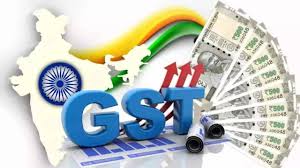
With effect from September 22, 2025 (which coincided with Navratri), ਭਾਰਤ’s Goods and Services Tax (GST) system underwent a significant redesign as of September 23, 2025. The structure is reduced from a multi-tier system (0%, 5%, 12%, 18%, 28% + cess) to essentially two wide slabs under this “GST 2.0” reform: 5% for necessities and the majority of common commodities and 18% for typical consumer goods and services.
ਭਾਰਤ has recently undergone a major GST reform, simplifying the tax structure from four slabs (5%, 12%, 18%, and 28%) to a new two-rate system of 5% and 18%. A new, higher 40% rate has also been introduced for luxury and “sin” goods. This change has resulted in a GST cut on a wide range of products.
Here is a summary of the key changes:
GST Cut to 5% or Nil:
- Daily Essentials: Soaps, shampoos, toothpaste, bicycles, and household tableware have moved to the 5% slab from higher rates.
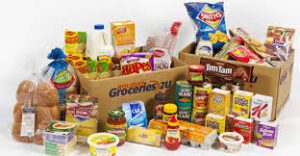
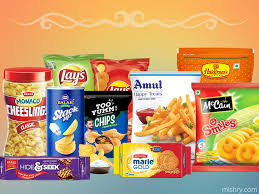
- Packaged Food Items: Many packaged foods like namkeens, biscuits, pasta, chocolates, coffee, and condensed milk have seen their GST reduced from 12% or 18% to 5%.
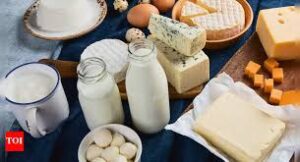
- Dairy Products: Ghee, butter, and cheese are now taxed at 5%, while Ultra-High Temperature (UHT) milk and pre-packaged paneer are now exempt from GST (Nil rate).
- Medical & Health: Most medicines and diagnostic kits have seen a GST cut from 12% to 5%. A select list of life-saving drugs is now completely tax-free.

- Services: Services at salons, gyms, and yoga centres have been reduced from 18% to 5%.

- Education: School items like pencils, erasers, and notebooks are now GST-free.

GST Cut to 18%:
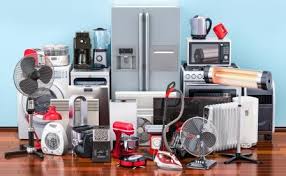
- Consumer Durables: TVs (over 32 inches), air conditioners, and dishwashers have been moved from the 28% slab to 18%.
- Automobiles: Two-wheelers with engines up to 350 cc and small cars have had their GST reduced from 28% to 18%. Auto parts and cement have also seen their GST cut to 18%.

The new GST rates are designed to make essential items more affordable for the common person while maintaining higher taxes on luxury and non-essential goods.