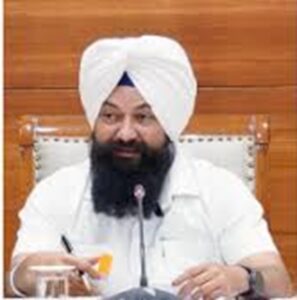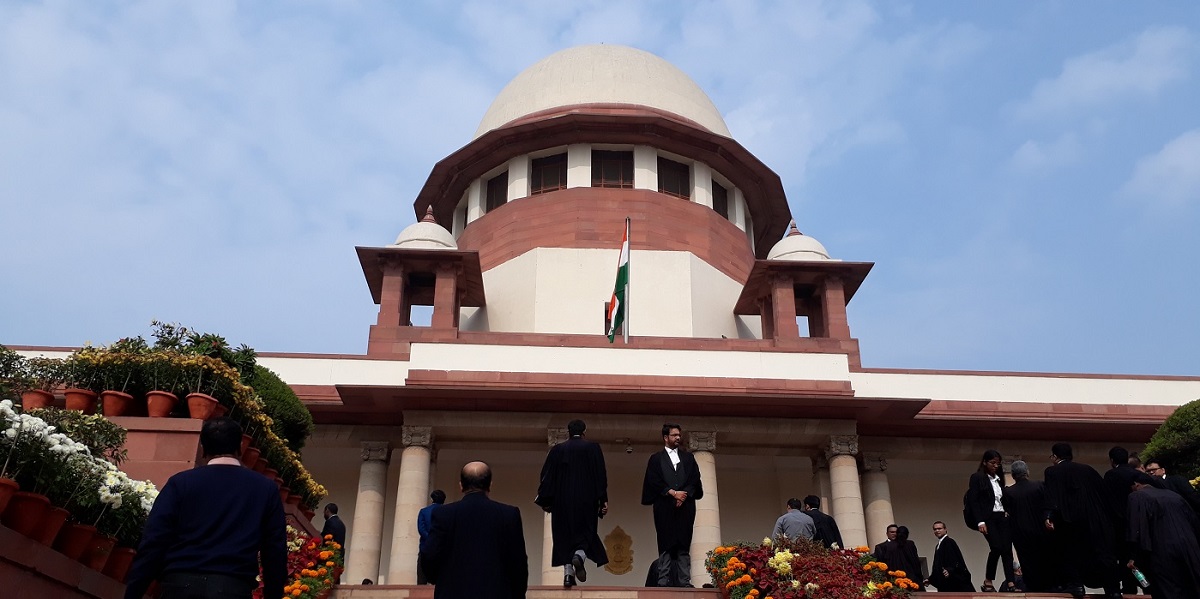
A high-powered committee appointed by the Supreme Court has shown concern over the government’s estimate that farmers can survive on just Rs 27 per day.
The committee is led by retired Justice Nawab Singh, with agriculture expert Devinder Sharma and economist RS Ghuman as members. They recently held a meeting with officials from the National Bank for Agriculture and Rural Development (NABARD) to find ways to increase the income of farmers, especially small and marginal ones.
The committee said that farmers need more income and support to move beyond just depending on Minimum Support Price (MSP). One of the key suggestions was to help farmers earn money by trading carbon credits. Farmers can earn these credits by following eco-friendly farming methods such as agroforestry and zero-till farming. These credits are then sold in the Voluntary Carbon Market (VCM), where 75% of the income goes to the farmers, and the remaining 25% is taken by external agencies for monitoring and verifying the credits.
NABARD has teamed up with the Ministry of Agriculture and Farmers’ Welfare to launch this carbon credit program. It was suggested that pilot projects could start in areas like Punjab’s Kandi region and Yamunanagar in Haryana, where agroforestry is common.
To help increase income further, NABARD proposed that farmers can also run seed shops or rent out farm machines. During the discussion, the committee also talked about the Farmer Producer Organisations (FPOs). Although there are around 7,400 FPOs, NABARD admitted that about 40% face difficulties. However, the model is still useful as it helps small farmers work together and save costs.
NABARD’s Deputy Managing Director GS Rawat said they plan to reform Primary Agricultural Credit Societies (PACS) so they can do more than just give loans—such as starting other businesses. The committee also recommended studying the successful 105-year-old Lambra Kangri Cooperative Society in Hoshiarpur and using it as a model in other places.
Finally, the committee urged NABARD to create policies to reduce farmer debt and provide mental support, so farmers don’t feel driven to take extreme steps like suicide.