ਭਾਰਤ has firmly rejected Pakistan’s accusations over the alleged breach of the Indus Waters Treaty, stating that cross-border terrorism originating from Pakistan is the real threat to the treaty’s implementation.
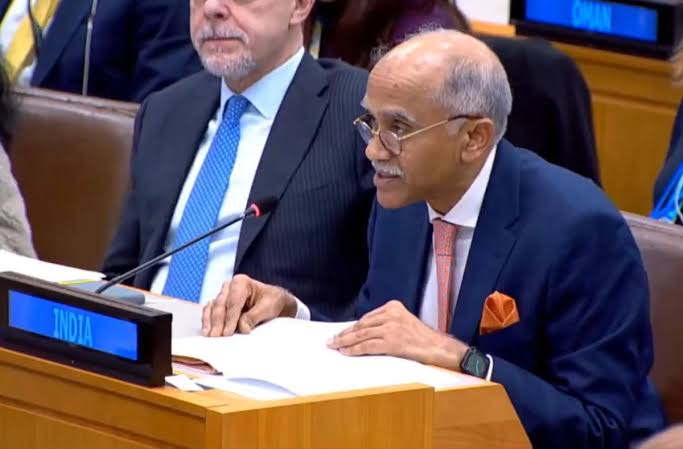
Speaking at the first UN Conference on Glaciers in Dushanbe, Tajikistan, on Friday, ਮੰਤਰੀ of State for Environment Kirti Vardhan Singh said Pakistan was misusing the global forum to raise irrelevant political issues.
“We are appalled at the attempt by Pakistan to misuse this platform and bring in unwarranted references that fall outside the scope of the conference. We strongly condemn such efforts,” Singh said.
He emphasised that the Indus Waters Treaty was signed in a spirit of goodwill and friendship, and its success depends on both countries honouring it in good faith. However, Singh pointed out that unrelenting cross-border terrorism from Pakistan hampers ਭਾਰਤ’s ability to fully benefit from the treaty.
He added that significant changes — including climate change, technological advancements, and demographic shifts — have occurred since the treaty was signed in 1960, making a reassessment necessary.
“Pakistan itself is in violation of the treaty. It should stop blaming ਭਾਰਤ for breaching it,” the ਮੰਤਰੀ said.
Earlier in the day, Pakistan Prime ਮੰਤਰੀ Shehbaz Sharif accused ਭਾਰਤ of putting millions of lives at risk by suspending the treaty. He said ਭਾਰਤ’s move to hold the agreement in abeyance for political purposes was unacceptable.
ਭਾਰਤ suspended the Indus Waters Treaty as one of several measures taken after the April 22 terrorist attack in Pahalgam, Jammu and Kashmir, where 26 ਲੋਕ were killed.
The Indus Waters Treaty, brokered by the World Bank in 1960, governs the sharing of the Indus river system between ਭਾਰਤ and Pakistan.
The ongoing UN conference, which concludes Saturday, is focused on glacier preservation and climate-related water issues. It is being attended by over 2,500 delegates from 80 UN member states and 70 international organisations.